4 Ways to Stay Safe Online
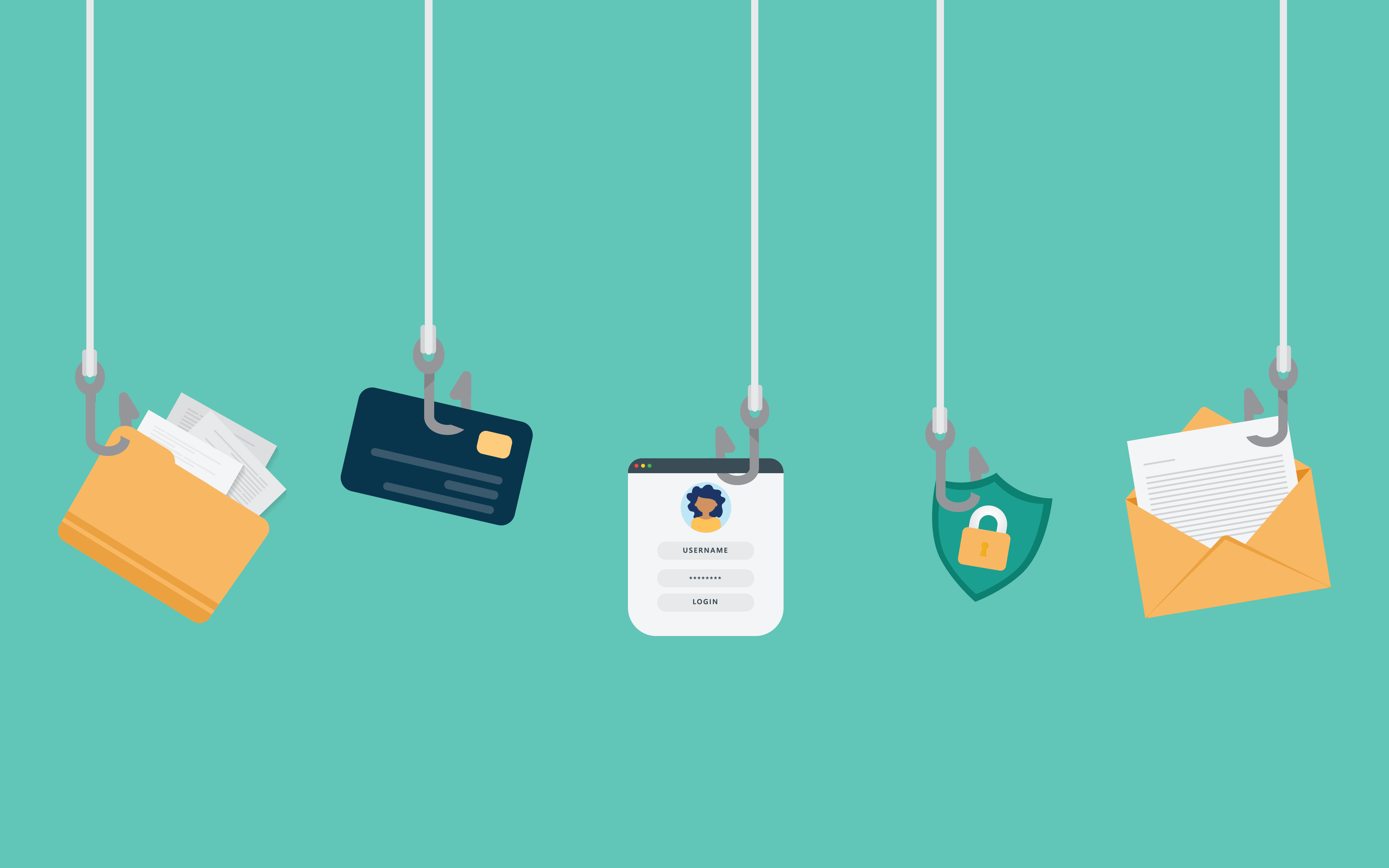
Staying connected online is more important than ever, but with that convenience comes an increased risk of targeted scams. According to Federal Trade Commission data, consumers reported losing more than $12.5 billion to fraud in 2024, which represents a 25% increase over the prior year.1
At Blue Cross & Blue Shield of Rhode Island (BCBSRI), your health and safety is our top priority. Here are four practical steps from our Information Security team that you can take to protect your personal information and ensure you're communicating safely with the people you trust—not scammers.
1. Be skeptical of all unsolicited calls
If you receive an unexpected email, text, or phone call that appears to be from an institution you know, like BCBSRI, your bank, or doctor’s office, pause before responding. Scammers often pose as trusted organizations to trick you into sharing personal information. If you didn’t initiate the contact, always double-check before taking any action by contacting the institution directly.
Never share personal details such as your Medicare number, passwords, or financial information in response to an unsolicited message. BCBSRI uses secure portals and phone lines for sensitive communication. When in doubt, call customer service directly.
2. Know the red flags
Scam messages often contain typos, urgent language, or threats (like “your benefits will be canceled if you don’t respond immediately”). Official BCBSRI communications are professional and courteous—never threatening. If a message seems overly urgent or contains errors, it’s likely a scam.
If an offer seems too good to be true, it likely is. Ignore messages that claim you’ve won money, electronics, or other unsolicited gifts. They’re baiting you to click on dangerous links.
You may also receive strange, vague text messages from unknown numbers that are prompting you to reply by making you feel nervous or confused. Some common themes in these messages include toll payments, petty crime accusations (like littering or loitering), or real estate questions. You could also receive messages from scammers who are baiting you for money or information by impersonating your children or grandchildren. If you are not confident that you know the identity of the person messaging you, verify the source before replying.
3. Keep your devices secure
Update your computer, tablet, and smartphone regularly. Use strong, unique passwords for your online accounts and enable two-factor authentication when possible. Secure devices make it much harder for scammers to access your information.
4. Become familiar with safe content from BCBSRI
Some emails or text messages may seem like they’re from BCBSRI but aren’t. Always double-check the sender’s address to see if it’s suspicious. Typically, emails from BCBSRI will come from @bcbsri.org or @health.bcbsri.com, and texts will come from 57608.
If you have a condition like cancer, kidney disease, or COPD, you may get a letter from BCBSRI about helpful programs to support your health. Click here to see the programs we offer and the organizations we collaborate with.
If you receive a message from a different source, it may still be legitimate. Call the customer service number on the back of your member ID card if you have any questions. This is the best way to be sure you’re speaking to a trusted BCBSRI associate.
If you believe that someone has stolen your health insurance ID card or information, you should
Contact the BCBSRI Anti-Fraud Hotline:
1-800-830-1444
And call the Medicare Concierge team as soon as possible:
(401) 277-2958 or 1-855-776-0064 (TTY: 711).
Hours: Monday through Friday, 8:00 a.m. to 8:00 p.m.; Saturday, 8:00 a.m. to noon. (Open seven days a week, 8:00 a.m. to 8:00 p.m., October 1 – March 31.) You can use our automated answering system outside of these hours.